non-toxic everything!
LOL the buzz word of the year! Let’s dive into our toxic everything lives 🙃
For the longest time, I truly thought I was living the cleanest, healthiest, non-toxic life. I read ingredient labels, avoided processed foods, seed oils & grains, kept my home clean, bought mostly organic foods... I did what I thought were all the “right” things - but little did I know our lives are filled with hidden toxins everywhere.
It took my body completely shutting down for me to really start taking my environment seriously - not just what I ate, but what I touched, breathed in, cleaned with, slept on, and put on my skin every day.
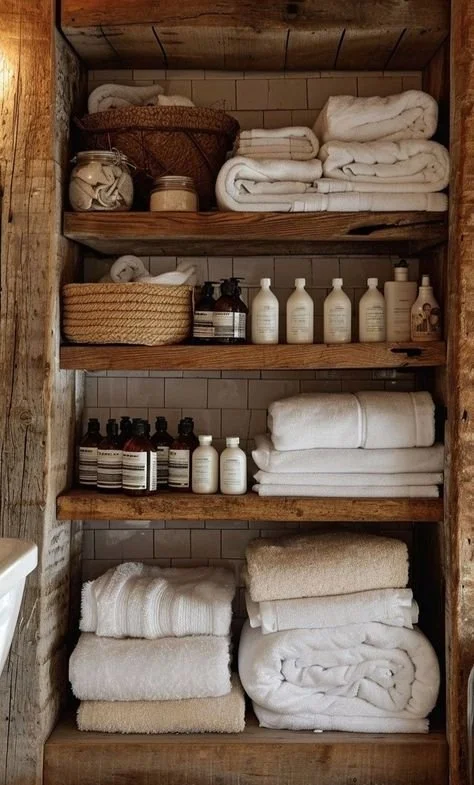
As my health became more fragile, I realized something huge:
“Pretty good” wasn’t good enough - in health, spirit, lifestyle & environment.
In some of my worst flares, my doctors kept saying I should go abroad for a few months to help my body reset - which, to high stress, busy bee hailee, this went in one ear out the other, probably with a few eye rolls too.
It’s easy to want a quick answer or a high dose of steroids when your body feels like its failing you, but thankfully, higher hailee had a plan - find mold in our apt, move out very quickly, get rid of absolutely everything, take extended time off of work & start a completely fresh life.
The mold was crazy - and anyone who has felt mold symptoms knows its the most confusing and hopeless journey to feel. But looking back I can see why that was the only way my human was ever going to start taking my body seriously.
As we started filling our new home, we were very intentional - looking into the most natural, non-toxic, safe ingredients in every sense. As I started researching, I was truly in disbelief at how toxic our world is.
Pesticides.
Synthetic fragrances.
Plastics.
Endocrine disruptors like BPA and BPS.
This stuff is everywhere - and it actually really matters.
But WHY??????
Pesticides are designed to kill or disrupt living organisms. Even at low levels, they can:
Stress the liver (which processes hormones and toxins)
Disrupt gut bacteria
Interfere with hormone signaling
Increase inflammation in sensitive bodies
Where do you find these?
Non-organic fruits and vegetables (especially berries, leafy greens)
Lawn and garden sprays
Cleaning products
Conventional grains and processed foods
“Synthetic fragrance” - a catch-all term that can represent dozens (sometimes hundreds) of undisclosed chemicals. These can:
Trigger headaches, rashes, or breathing issues
Irritate the nervous system
Act as hormone disruptors
Overwhelm sensitive immune systems
The body doesn’t always register this as danger - it often just registers it as stress.
Where do you find these?
Candles and air fresheners
Laundry detergent and fabric softener
Hand soap, dish soap, cleaning sprays
Shampoo, conditioner, hair products
Perfume, body spray, deodorant
“Fresh” or “clean” scented products
Even products labeled “natural” can contain synthetic fragrance unless it explicitly says fragrance-free or fully discloses essential oils.
Plastics leach chemicals, especially when heated, scratched, or used over time. Some plastic-related chemicals:
Mimic estrogen in the body
Disrupt hormone signaling
Accumulate over time
Affect fertility and metabolic health
Heat + plastic is where most problems begin.
Where do you find these?
Food storage containers
Water bottles
Takeout containers
Plastic wrap
Non-stick cookware coatings
Coffee lids and straws
Canned food linings
Beauty packaging
Endocrine disruptors interfere with how hormones send and receive messages. Even small amounts can have effects because hormones operate at very low doses. BPA and BPS can:
Mimic estrogen
Disrupt menstrual cycles
Affect thyroid function
Interfere with stress hormones
Impact energy and mood regulation
“BPA-free” doesn’t always mean safe - BPS is often used as a replacement and can act similarly.
Where do you find these?
Plastic food containers
Water bottles
Canned food linings
Receipts
Plastic utensils
Dental products
Baby products and toys
Food packaging
Again, exposure is cumulative - not about one item, but many over time
Our bodies are constantly processing what we eat, breathe, touch, and absorb through our skin. For most people, the body can handle a certain amount of exposure. But for sensitive systems, chronic illness, hormone imbalances, or nervous system stress, that “background load” really adds up.
What I quickly learned is that non-toxic living isn’t about avoiding everything - it’s about reducing the total burden so the body has more space to regulate and heal.
So, in an effort to switch our entire life in a mindful, sustainable, affordable way - we started slowly replacing our day-to-day environment.
100% organic fabrics where possible
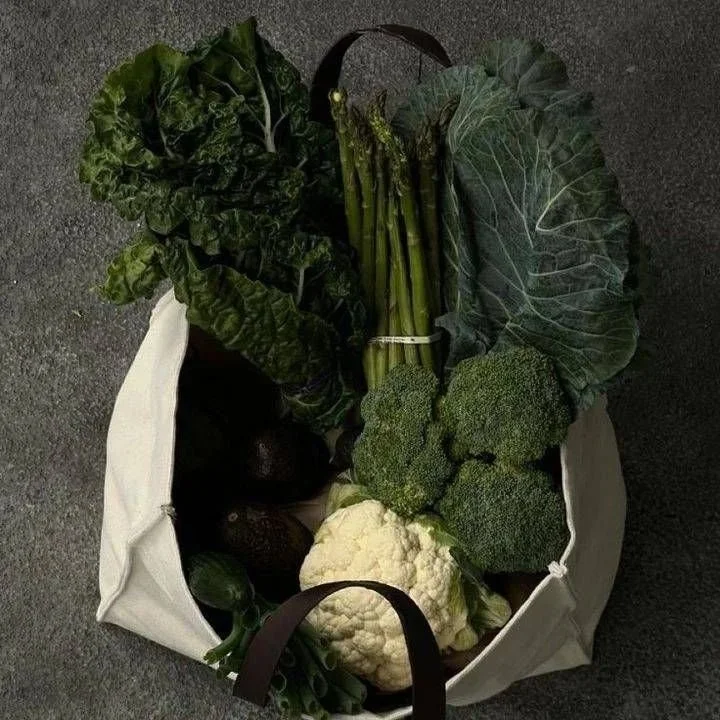
Organic food as much as possible
We didn’t change everything overnight, but we became intentional.
I have to give some much deserved credit to my sweet angel boyfriend, Sam, who very much encouraged and pushed us to shift to this new mindset. He’s held space for me in ways I could never have imagined from a person - giving me a whole new perspective on my body, health, love, life and the true meaning of this whole thing. <3
Anywayyssss… I’ve done a TON of research, so wanted to share a quick list / links of things I’ve found to make your shift a little bit easier!
Kitchen
Beauty
Deodorant (yes... men’s, but it’s the best one that’s worked)
Home
Wood & metal furniture when possible
100% organic cotton, linen, and wool <3
It’s not about perfecting, it’s about doing what you can, starting where it feels easiest, and slowly making the shift to a more intentional life.
Our bodies are brilliant - and what you surround them with really matters. Shifting these little, every day things can start to make your world a bit quieter and your body a bit safer - giving you space to heal and live your most beautiful, authentic life.
Thanks for listening <3
